
The Difference Between Attendance and Affinity
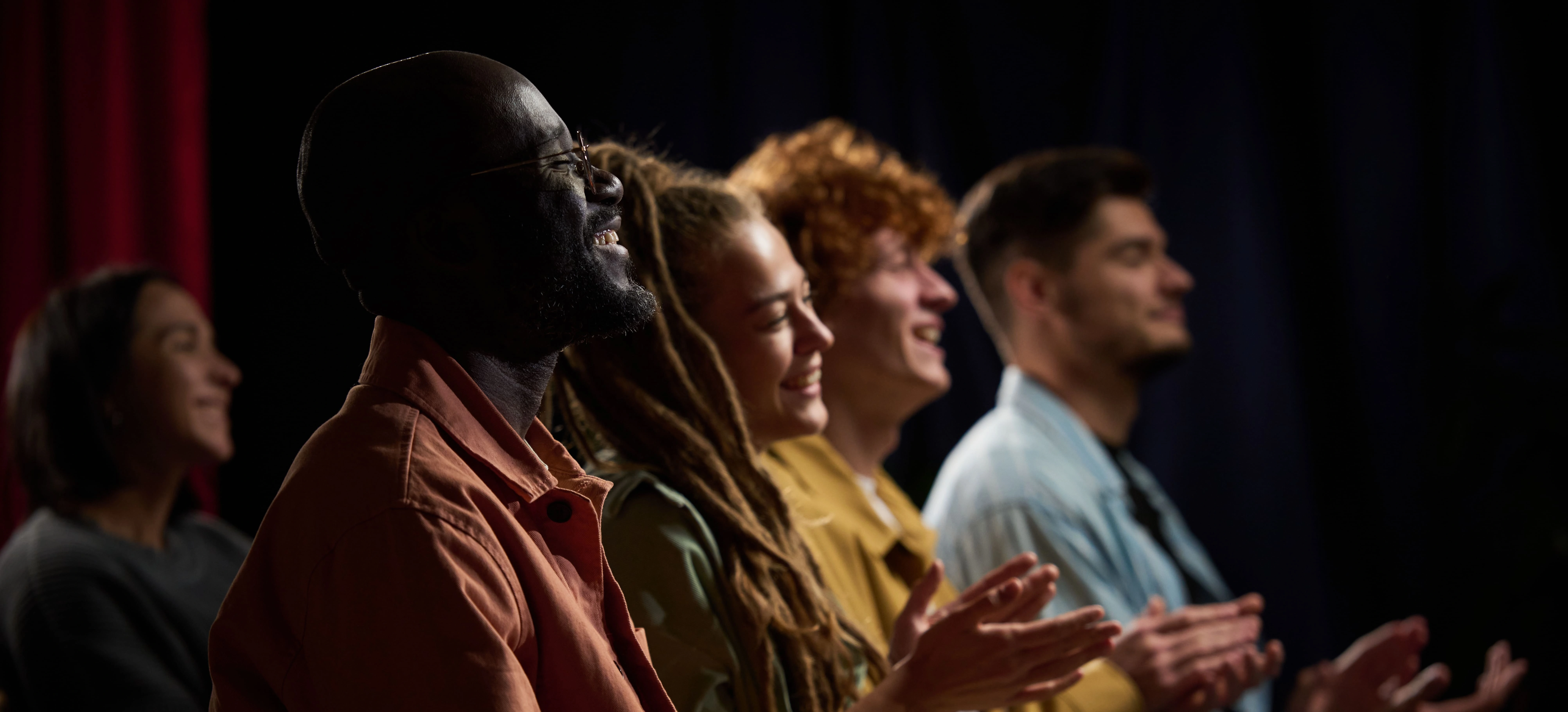
Why showing up once is easy but returning is designed
For many festivals and seasonal events, success is often measured by attendance. Ticket sales go up, audiences arrive, and the event delivers a strong experience. From the outside, everything looks like momentum is in motion.
But attendance and affinity are not the same thing.
Attendance is a moment. Affinity is a relationship.
And relationships are rarely accidental.
Across smaller festivals and seasonal events, one pattern appears again and again. Teams invest heavily in launch campaigns, pricing strategies, and pre-event marketing. Yet once the event ends, communication slows down, data sits untouched, and the audience journey quietly resets to zero.
The difference between a one-time attendee and a returning audience often comes down to what happens after the event ends.
Showing up takes interest. Coming back takes intention.
Modern audiences are constantly discovering new events. Algorithms surface new options online, friends recommend experiences, and early-bird releases create urgency. Getting someone through the door once is no longer the biggest challenge.
Getting them to come back is.
Repeat attendance is rarely driven by discounts or loud promotion. It is shaped by clarity, recognition, and ease. People come back when they feel understood and when the next decision feels effortless.
That means the work of retention begins long before the next ticket release. It starts with how teams capture behaviour, recognise patterns, and communicate intentionally.
Why lifecycle thinking changes everything
Many organisations still treat ticketing as a transactional tool. Tickets are sold, reports are exported, and planning moves on. But when ticketing becomes part of the audience lifecycle, the perspective shifts.
Instead of asking, “How many tickets did we sell?” the question becomes, “What did we learn about our audience, and how can we make their next experience easier?”
Lifecycle thinking allows teams to:
recognise first-time attendees versus returning visitors
understand group buyers or loyal segments
design communication that feels relevant rather than generic
build momentum between events rather than starting from scratch
This is where ticketing software begins to play a strategic role.
Your organisation's ticketing platform should not simply record transactions. It should help your team recognise returning audiences, understand audience behaviour, and remove friction from their next decision.
From data to relationship context
A database is often treated as a list. Names, emails, ticket numbers. While in reality, it is a record of shared experiences.
When behaviour-based audience segmentation is built into a ticketing platform, teams begin to see patterns that basic spreadsheets rarely reveal. Who attended multiple years. Who buys early access. Who arrives as part of a group. These insights allow communication to feel more human.
Instead of sending one message to everyone, organisations can shape messaging around audience context. First-time visitors may need reassurance and clarity. Returning audiences may respond better to early-access releases or quiet previews.
Segmentation stops being a marketing tactic and becomes a form of customer respect.
The quiet power of automated follow-up
One of the simplest ways to turn attendance into affinity is thoughtful post-event communication.
A timely thank-you message. A preview of what is coming next. A gentle invitation to stay connected.
Yet follow-up often falls away because teams are exhausted after delivery.
Automated messaging workflows remove that pressure. When follow-up communication is planned as part of the ticketing journey, it happens consistently without adding to operational load.
Consistency builds familiarity. Familiarity builds trust.
Over time, audiences begin to recognise a rhythm in how an organisation communicates, and that rhythm becomes part of the brand itself.
Designing early access that feels earned
Many events rely on early-bird pricing to drive momentum. But loyalty is not created through price alone.
Early-access workflows give returning audiences a sense of recognition. Instead of rewarding only speed, they reward ongoing connection.
When platforms allow teams to identify returning attendees and invite them into early-release windows, the experience shifts from promotion to relationship. The audience feels seen, the organisation gains predictable demand, and planning decisions become more confident.
Removing friction from the next decision
Repeat attendance is rarely driven solely by persuasion. It is driven by ease.
When audiences already exist within a platform ecosystem, rebooking becomes simpler. Links feel familiar, communication feels relevant, and decisions require less effort.
Small moments of ease add up.
Over time, the difference between an event that relies on constant acquisition and one that grows through returning audiences becomes clear. One chases attention, while the other builds continuity.
Moving from attendance to affinity
Festivals and seasonal events thrive when audiences feel part of something ongoing rather than something temporary.
That shift does not come from louder marketing or more aggressive pricing. It comes from systems that recognise people, respect behaviour, and design the journey beyond the moment of purchase.
Attendance may open the door. Affinity is what brings people back through it.
Published on: