
How Accessibility Shapes Attendance
Accessibility in museums, gardens and attractions means ensuring that visitors of all abilities can plan, book and enjoy their visit comfortably. This includes accessible booking systems, clear accessibility information and thoughtful venue design. When accessibility is integrated across the visitor journey, venues become more welcoming and inclusive for everyone.
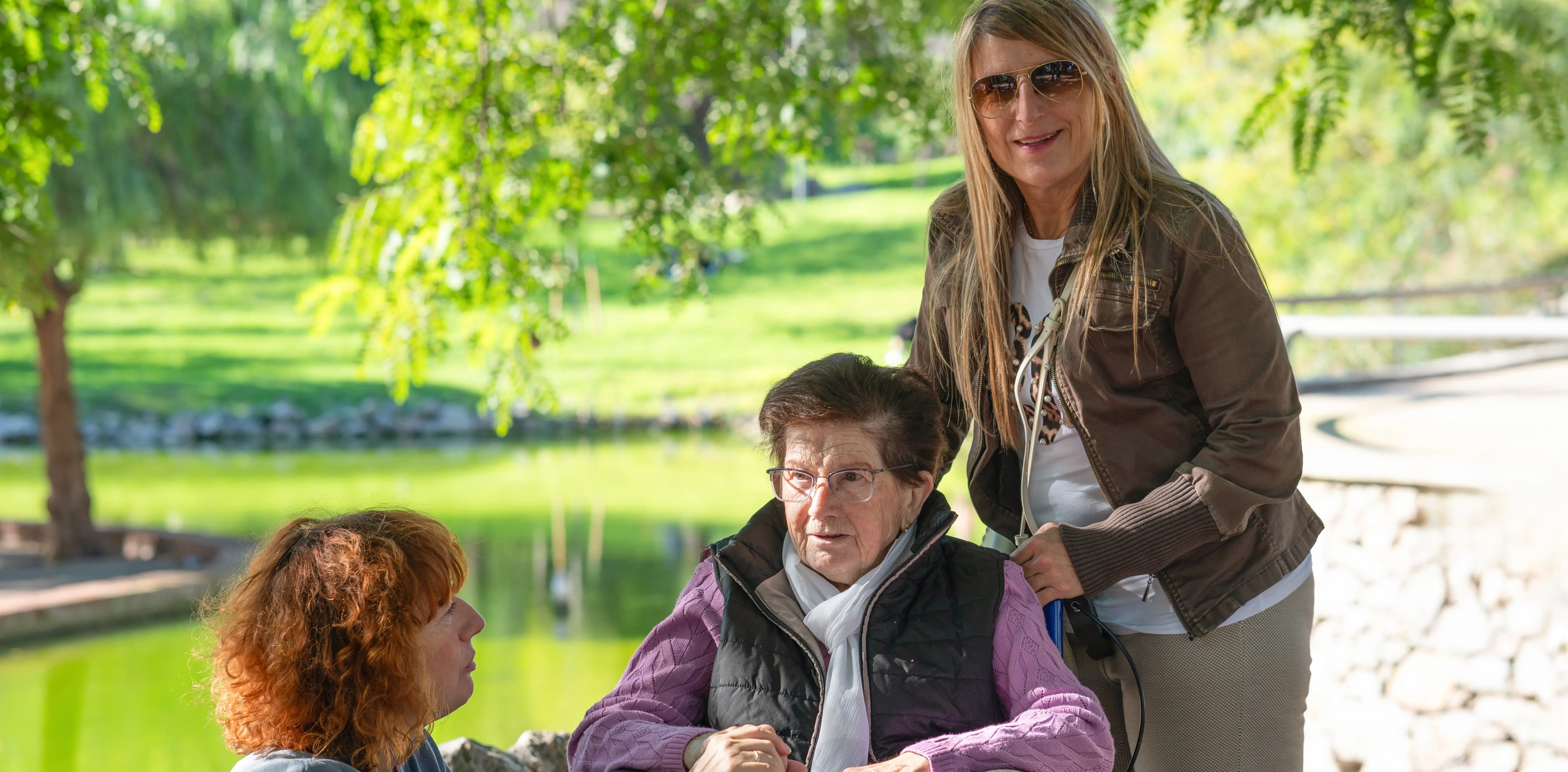
More than 14 million people in the UK live with a disability. Accessibility is no longer a “nice extra”. It has become a baseline expectation for visitors deciding where to spend their time.
For museums, gardens and attractions, accessibility begins long before someone arrives on site. It often starts with the booking and planning journey. When accessibility information is difficult to find or booking systems are hard to navigate, potential visitors may decide not to attend at all.
Designing accessible experiences from the moment someone begins planning their visit helps ensure more people feel confident and welcome.
Accessibility starts before the visit
For many visitors, the first barrier is not a staircase or pathway. It is uncertainty. Questions often arise during the planning stage:
Are the paths suitable for wheelchairs or mobility aids?
Is there accessible parking or step-free entry?
Are there quiet spaces or sensory-friendly areas?
Can carers or companions attend easily?
If this information is unclear, visitors may hesitate or abandon their plans. Clear accessibility guidance allows people to plan ahead with confidence.
For museums, gardens and attractions, where visits may last several hours and involve multiple indoor and outdoor spaces, this clarity is particularly important.
Accessibility improves the experience for everyone
Accessibility improvements rarely benefit only one group of visitors. Features that make venues easier to navigate often improve the experience for:
Families with prams
Older visitors
Tourists unfamiliar with the site
Visitors who prefer clear, simple information
Accessible design often results in experiences that are simpler, calmer and easier to understand, which improves visitor satisfaction and encourages return visits. In this way, accessibility supports both inclusion and long-term audience growth.
Three layers of accessibility for cultural attractions
Creating an accessible visitor experience typically involves three connected layers.
1. Digital accessibility
Visitors must be able to comfortably navigate websites and booking pages. This includes:
Mobile-friendly booking flows
Readable text and clear navigation
Compatibility with screen readers
Simple checkout journeys
When booking systems are accessible, visitors can complete their reservations independently without needing additional support.
2. Informational accessibility
Planning a visit should not require guesswork. Museums, gardens, and attractions can help visitors prepare by clearly sharing:
Step-free routes and accessible entrances
Accessible toilets and facilities
Companion or carer ticket options
Sensory-friendly exhibitions or quiet areas
Transparent information reduces uncertainty and allows visitors to plan their visit in advance.
3. Physical accessibility
The on-site environment should reflect the same level of care as the digital experience. This might include:
Step-free pathways and ramps
Seating areas for rest
Accessible viewing areas
Clear signage and wayfinding
When accessibility is considered across the entire visitor journey, the experience becomes more inclusive and comfortable for all guests.
Why accessibility supports attendance
For museums, gardens, and attractions, accessibility is not only about compliance. It also affects attendance. When accessibility is clear and easy to understand:
More visitors feel confident booking
Fewer people abandon the planning process
Families and carers can attend together
Communities feel welcomed rather than excluded
Accessible experiences therefore expand the potential audience and strengthen relationships between venues and their communities.
How ticketing platforms support accessibility
Accessibility also depends on the systems used to manage visits and bookings. A well-designed ticketing platform should make it easy to:
Clearly display accessibility information on event pages
Offer companion or carer ticket options
Present accessible ticket types
Include helpful visitor information in confirmation emails
Within the Little Box Office platform, venues can customise booking pages and ticket types to ensure accessibility information is visible and easy to understand.
Because accessibility is not only about physical infrastructure. It is also about how visitors plan and book their experience.
Accessibility signals welcome
Visitors increasingly choose venues that demonstrate care and inclusivity.
Clear accessibility information communicates something important before the visit even begins: “You are welcome here.” This message helps build trust, strengthen community relationships and encourage repeat visits.
Accessibility improvements do not always require major investment. Often they begin with something simpler: clear communication, thoughtful design and inclusive booking journeys.
Ready to make your ticketing more accessible?
Book a demo here to see how simple meaningful inclusion can be.