
The Rise of Spontaneous Theatregoers
Last-minute ticket bookings are now a dominant audience behaviour across theatres and arts venues. Many patrons purchase within days or even hours of a performance. Venues can increase revenue by optimising mobile booking, running same-day communications, enabling reminders, applying structured pricing triggers, and removing unnecessary sales cut-offs.
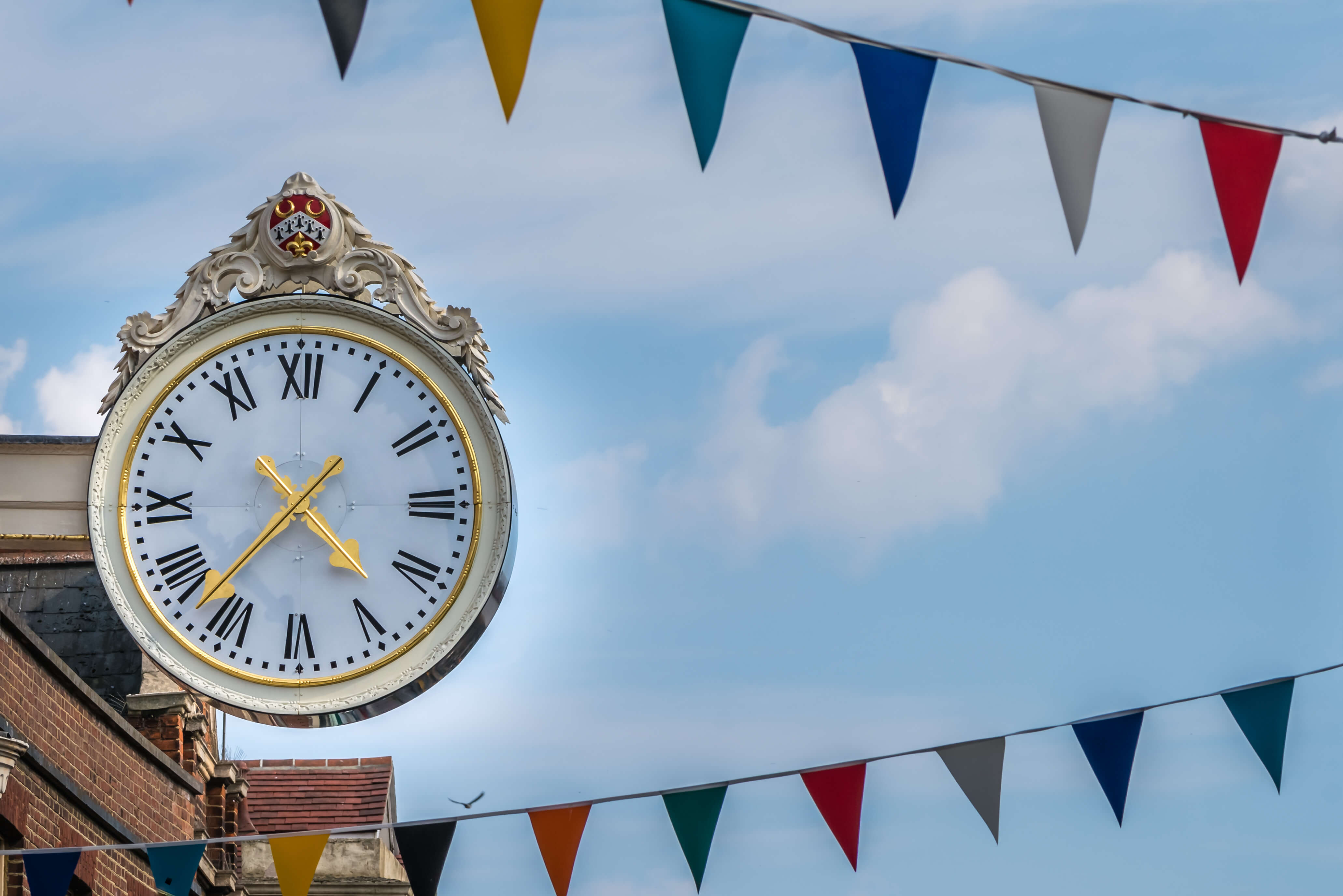
How to Capture More Last-Minute Ticket Bookings Without Changing Your Programming
Across the sector, we are seeing a consistent pattern: more than one in three theatregoers now book within seven days of a performance, with many purchasing on the same day.
Last-minute ticket bookings are no longer unusual behaviour. They are becoming a defining feature of modern audience behaviour across theatres, arts centres and festivals.
For venues, this shift is not simply a marketing challenge. It is a systems challenge. Traditional long-lead campaigns still play an important role, but growth increasingly depends on how effectively your box office converts audiences at the moment they decide to attend.
Why Audience Behaviour Has Shifted
Spontaneity is no longer the exception. Several broader changes are shaping this trend:
Post-Pandemic Flexibility
Audiences are less inclined to commit weeks in advance. Flexibility has become a priority.
On-Demand Consumer Culture
Streaming platforms and digital services have normalised immediate access and instant decision-making.
Weather and Mood-Based Planning
Social plans are often influenced on the day itself, particularly for local performances.
Mobile Booking Expectations
Mobile ticket booking up to curtain-up is now assumed. If it is not seamless, conversion suffers.
For regional theatres, fringe venues and community arts organisations, this behaviour shift is especially pronounced.
Who Are Last-Minute Bookers?
Understanding this audience helps shape a proportionate response. They are more likely to:
Be under 40
Attend alone or in pairs
Live within a short travel distance
Browse and book on mobile devices
Respond to clear urgency signals
These are not disengaged audiences. They are engaged, but they operate on shorter decision windows.
Six Practical Ways to Increase Last-Minute Ticket Sales
The good news is that capturing spontaneous demand does not require a complete marketing overhaul. In many cases, it requires operational refinement.
1. Audit Your Mobile Booking Experience
Most last-minute ticket sales occur on mobile devices. A friction-heavy checkout can immediately suppress conversion. Review:
Page load speed
Number of checkout steps
Payment flexibility
Compatibility with mobile wallets
A fast, intuitive booking journey is often the single biggest lever for improving last-minute conversion.
With Little Box Office, mobile responsiveness, secure payments and streamlined checkout design are built into the platform as standard. Our team also works closely with venues to review event page setup and advise on checkout flow, ensuring your booking experience supports conversion rather than limiting it.
2. Use Short, Same-Day Communications
For time-sensitive decisions, brevity matters.
Messages like the below consistently outperform longer promotional emails in last-minute scenarios:
“Tonight at 7pm. Limited seats remaining.”
“Final tickets available for tomorrow.”
Consider incorporating short, well-timed email or SMS alerts into your communications calendar.
3. Deploy Hyperlocal Social Advertising
Location-targeted advertising can be highly effective for same-day sales.
Focus on:
Audiences within close proximity
Early-evening performances
Final allocation messaging
Mobile-first creative with a clear call to book tends to perform best when decision windows are short.
4. Enable Reminder Registration
Some visitors are interested but not ready to commit.
Offering reminder sign-ups allows you to capture intent without forcing an immediate decision. Automated notifications, sent via your CRM system 48 hours before, 24 hours before and on the day of the performance, can help convert interest into confirmed attendance.
5. Consider Time-Based Pricing Triggers
Structured urgency can lift conversion when implemented carefully.
Examples include:
Releasing a final allocation at a defined price point
Introducing a time-limited price change
The key is transparency and consistency. Pricing adjustments should feel intentional, not reactive.
With Little Box Office, time-based ticket rules can be automated in advance.
6. Review Online Sales Cut-Off Policies
Many venues close online sales hours before curtain-up, often for legacy operational reasons.
With digital ticket delivery and scanning, it is worth reassessing whether this restriction remains necessary. Where operationally feasible, allowing bookings up to performance start time can capture otherwise lost revenue.
A Practical Starting Framework
If you want to strengthen your approach to last-minute ticket bookings, begin with a simple review:
Test your mobile booking flow from start to finish
Identify any unnecessary friction points
Assess your current sales cut-off timing
Add at least one same-day communication touchpoint
Monitor booking window data over the next quarter
Small operational changes can produce measurable improvements.
Final Thought
Last-minute ticket buying is not a temporary fluctuation. It reflects a broader shift in how audiences plan their time. The opportunity is not to fight this behaviour, but to design for it.
When your ticketing system, communications strategy and sales policies align with spontaneous decision-making, incremental revenue becomes easier to capture.
The question is not whether audiences are booking late. It is whether your box office is structured to meet them when they do.
Want to increase ticket sales without changing your programming?
Book a demo here and see how Little Box Office helps you convert last-minute audiences.